Lemon Squeezy Is Shutting Down: 8 Best Alternatives for SaaS & Digital Product Sellers

On November 16, 2026, Lemon Squeezy announced that it is winding down. New store sign-ups are already closed, and the platform will stop processing payments on March 31, 2027. That includes subscription renewals.
If you sell a SaaS, an ebook, a template pack, a WordPress plugin or a course through Lemon Squeezy, you now have a little over four months to move. And if you’re part of the build-in-public crowd, you probably picked Lemon Squeezy for a reason: it was a merchant of record (MoR) that took care of global sales tax, didn’t require a US company, and let a solo founder go live in an afternoon.
The good news: the indie payments space looks very different from 2023. There are now several solid MoR platforms built for exactly this audience. Below are the best Lemon Squeezy alternatives beyond the obvious giants like Stripe and PayPal, with real pricing and who each one fits best.
What Exactly Is Happening to Lemon Squeezy?
Stripe acquired Lemon Squeezy in 2024. Since then, the team has been building Stripe Managed Payments, Stripe’s own merchant of record product. According to cofounder JR Farr’s announcement, Stripe has decided to focus on that single product rather than run two platforms in parallel.
The key dates and facts:
- November 16, 2026: new store sign-ups closed. Existing stores can keep selling for now.
- December 2, 2026: migration tooling to Stripe Managed Payments becomes available.
- March 31, 2027: Lemon Squeezy stops processing all payments. The deadline will not be extended.
- Stripe Managed Payments is not available in every country Lemon Squeezy supported. If your business is based in an unsupported country, you must move to another provider.
- Managed Payments is not a like-for-like replacement. Lemon Squeezy notes that features such as digital file delivery and storefronts require separate tools.
So even if you can move to Stripe Managed Payments, it’s worth comparing your options, especially if you rely on hosted storefronts, file delivery or license keys.
Why Indie Makers Need a Merchant of Record
A merchant of record is the legal seller of your product. Your customer technically buys from the MoR, which then pays you. That means the MoR is responsible for:
- Calculating, collecting and remitting VAT, GST and US sales tax in dozens of countries
- Issuing compliant invoices and receipts
- Handling fraud screening, refunds and chargebacks
- Paying you out, often even if you don’t have a US or EU company
A plain payment processor (Stripe Payments, PayPal) only moves money. You remain responsible for tax registration and filing in every jurisdiction where you have obligations. For a solo founder selling $20 subscriptions to customers in 60 countries, that’s a lot of paperwork. That’s why every alternative in this list is a merchant of record.
Quick Comparison: The Best Lemon Squeezy Alternatives
| Platform | Base fee (per transaction) | Monthly fee | Best for |
|---|---|---|---|
| Polar.sh | 5% + 50¢ (Starter); from 3.4% + 30¢ on paid plans | $0 to $400 | Developers, open source, usage-based SaaS |
| Creem.io | 3.9% + 40¢ | $0 | Lowest flat rate, co-founder revenue splits |
| Dodo Payments | 4% + 40¢ | $0 | Global solo founders, storefront + license keys |
| Paddle | 5% + 50¢ | $0 | Established SaaS that wants a proven vendor |
| FastSpring | Custom quote | Revenue share | Software, games, higher-volume businesses |
| Gumroad | 10% + 50¢ | $0 | Creators selling ebooks, templates, courses |
| Payhip | Depends on plan | Free and paid plans | Creators who want a full storefront |
| Freemius | Revenue share | $0 | WordPress plugins and themes |
Pricing as listed on each provider’s website on November 17, 2026. Extra fees for international cards, subscriptions, payouts or currency conversion may apply. Always check the provider’s current pricing page before you switch.
1. Polar.sh – Built for Developers and Open Source
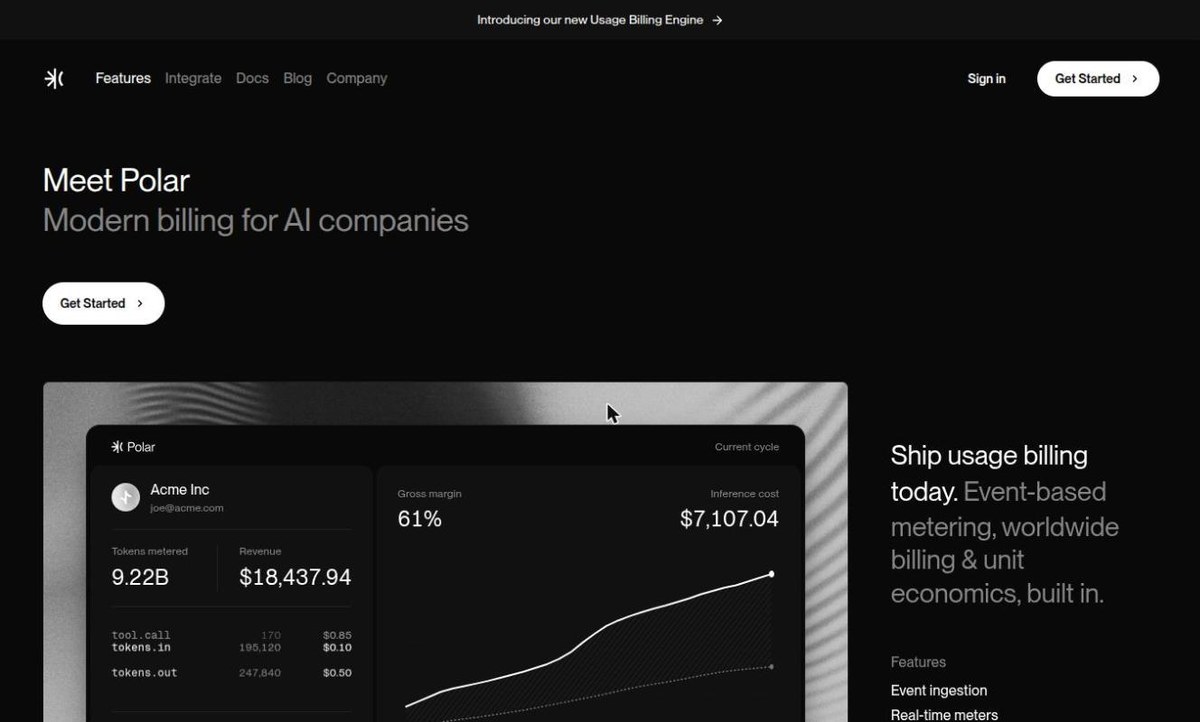
Polar started as a way for open source maintainers to get paid and has grown into a full merchant of record for developer tools and SaaS. It’s a favorite in the build-in-public community, and the platform itself is open source.
Why it stands out:
- Developer-first API and SDKs with clean integrations for popular frameworks
- Subscriptions, one-time purchases and usage-based billing
- Automated “benefits”: license keys, file downloads, GitHub repository access and Discord roles granted after purchase
- Fully public pricing with no sales calls to unlock better rates
Pricing: The free Starter plan costs 5% + 50¢ per transaction. Paid plans lower the rate: Pro ($20/month) at 3.8% + 40¢, Growth ($100/month) at 3.6% + 35¢, and Scale ($400/month) at 3.4% + 30¢. International (non-US) cards add 1.5%, and disputes cost $15 each. Polar publishes break-even points: Pro beats Starter at roughly $1,379/month in sales.
Best for: developer tools, AI apps with metered pricing, open source projects selling a pro tier, and anyone who wants to grant GitHub or Discord access automatically.
2. Creem.io – The Lowest Flat Rate for Indie SaaS
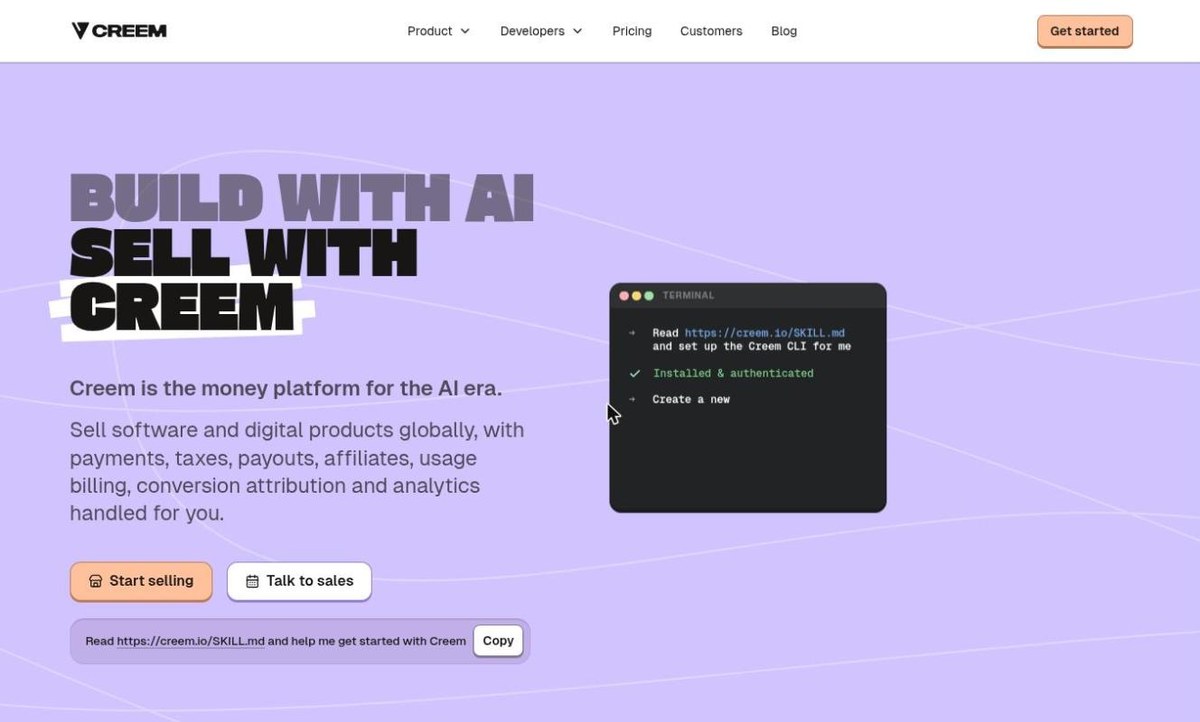
Creem is a newer MoR aimed squarely at indie hackers and small SaaS teams, and it competes hard on price.
Why it stands out:
- One flat rate of 3.9% + 40¢, with no monthly or setup fees
- No extra fee for international cards
- Built-in revenue splits between co-founders, affiliates and contractors
- Tax collection and remittance in 50+ countries
- Subscriptions, usage-based billing, credit wallets and custom meters
- Payouts on the 1st and 15th of each month, to a bank account or as stablecoin payouts
Best for: small SaaS products and micro-SaaS where every percentage point matters, and teams of co-founders who want revenue split automatically.
3. Dodo Payments – Global Reach for Solo Founders
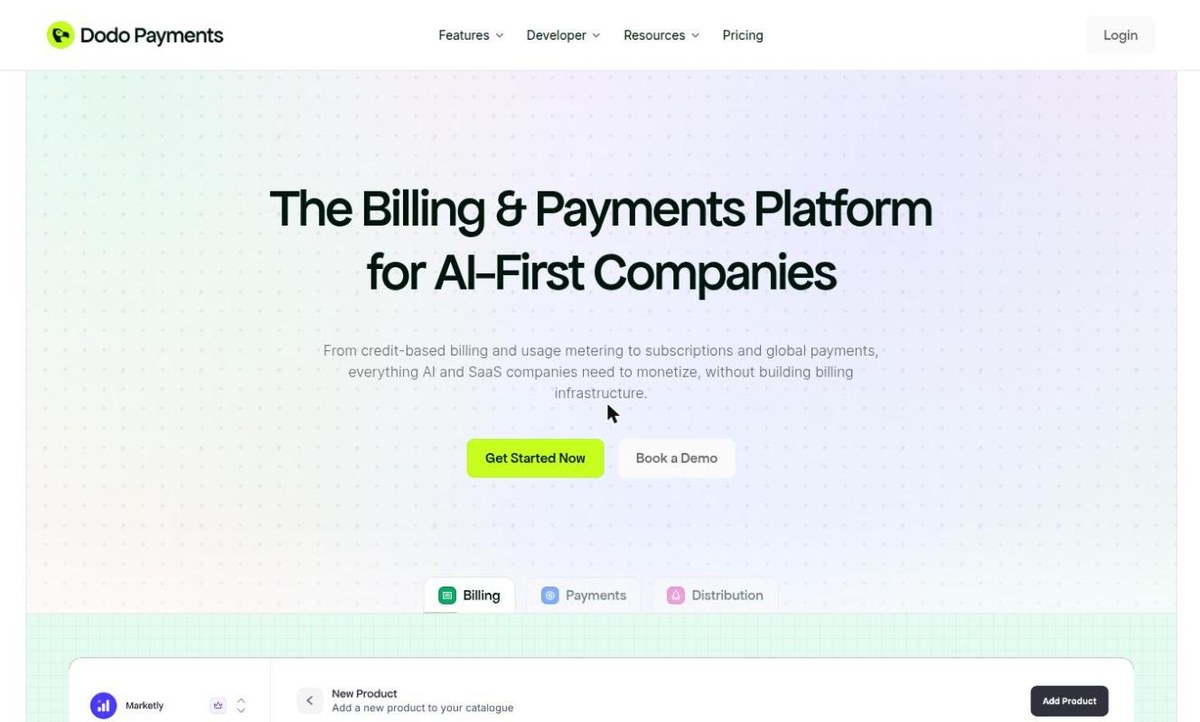
Dodo Payments has become popular with solo founders outside the US and EU, particularly in South and Southeast Asia, thanks to fast onboarding and responsive support. It supports customers in 220+ countries and regions.
Why it stands out:
- Base rate of 4% + 40¢ per transaction, with no fixed costs
- Storefront, license keys and digital product delivery are included, which makes it one of the closest feature matches to Lemon Squeezy
- Tax calculation and filing in 190+ countries
- Usage-based billing, abandoned cart recovery and subscription dunning
- Payment methods like ACH and SEPA direct debit, BNPL and PayPal
Watch the add-ons: international cards add 1.5%, subscriptions add 0.5%, PayPal and BNPL add 3%, refunds cost $1 each, and disputes cost $30. Recovery features charge 5% only on recovered revenue.
Best for: founders who used Lemon Squeezy’s storefront and license key features and want a near drop-in replacement, especially if Stripe Managed Payments isn’t available in their country.
4. Paddle – The Proven Veteran
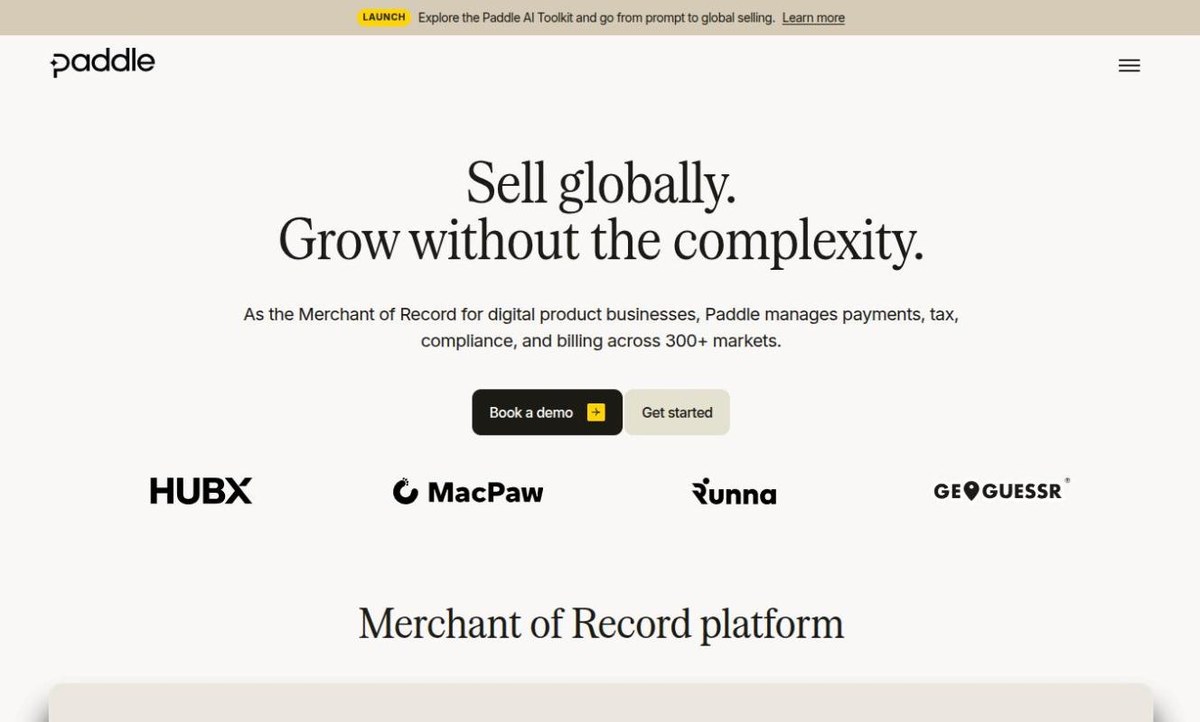
Paddle has been a merchant of record for software companies for over a decade and powers thousands of SaaS businesses. If you want a vendor with a long track record, this is the safe choice.
Why it stands out:
- Simple pay-as-you-go pricing of 5% + 50¢ per checkout transaction, the same as Lemon Squeezy’s base rate
- Mature subscription billing, localized checkout and global tax compliance
- Fraud protection, chargeback handling and buyer support included
- No monthly, migration or hidden fees
Keep in mind: Paddle’s review process is stricter than some newer platforms, and some indie founders report a slower onboarding experience. Plan for that if you’re close to the deadline.
Best for: SaaS businesses with steady revenue that value stability over the lowest possible fee.
5. FastSpring – For Software and Game Companies Ready to Scale

FastSpring is another long-standing MoR focused on SaaS, downloadable software, video games and apps. It’s less “indie” in feel but very capable.
Why it stands out:
- All-in-one pricing that covers checkout, subscriptions, tax remittance, fraud prevention, B2B invoicing and quotes
- Strong localization with many local payment methods and currencies
- Support for app-to-web and web-to-app purchase flows, useful for mobile and game developers
- No minimum transaction volume
Pricing: custom, based on your volume and geographic mix. You’ll need to request a quote or talk to sales.
Best for: growing software and game businesses that want a partner relationship and B2B features, not just a checkout link.
6. Gumroad – The Easiest Option for Creators
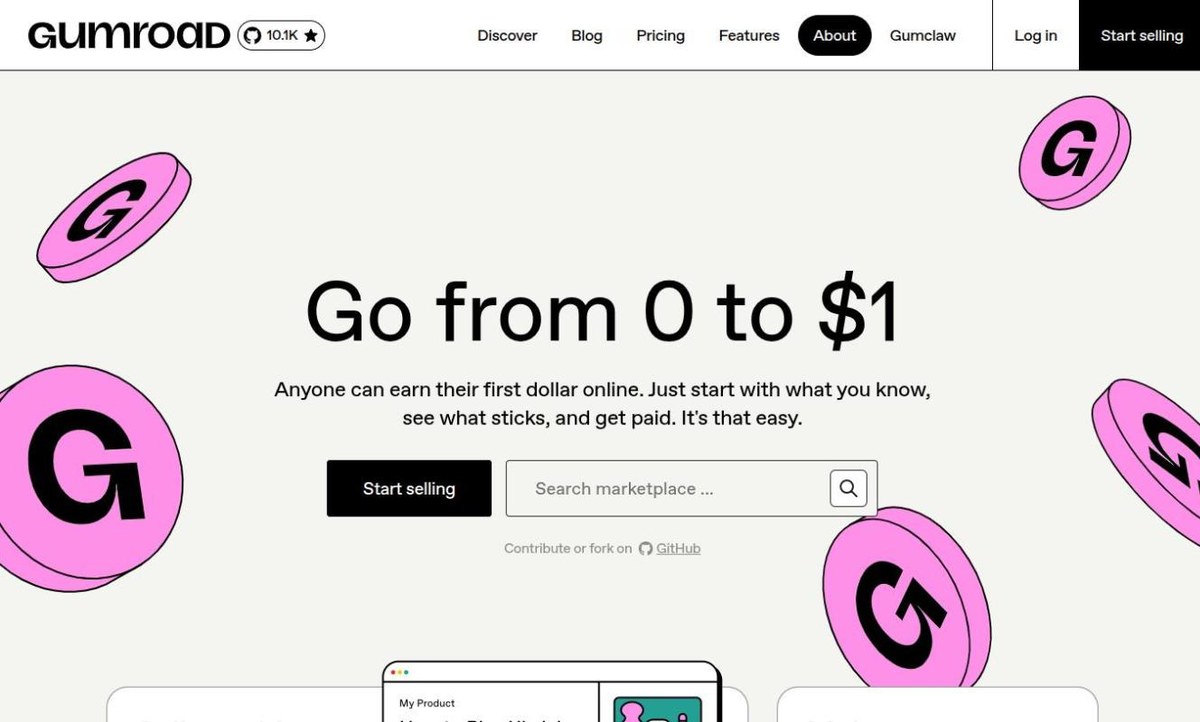
Gumroad is the original indie creator platform. Since January 1, 2025, it has acted as a merchant of record for all sales, so it handles sales tax collection and remittance for you.
Why it stands out:
- Set up a product page in minutes, no code required
- Supports ebooks, templates, courses, memberships and even simple SaaS subscriptions
- Built-in audience and Discover marketplace
Pricing: 10% + 50¢ for sales through your profile or direct links, and 30% when customers find you through the Discover marketplace. It’s the most expensive option here, but you pay for simplicity.
Best for: creators selling digital products at lower volume who want zero technical setup.
7. Payhip – A Full Storefront for Digital Products
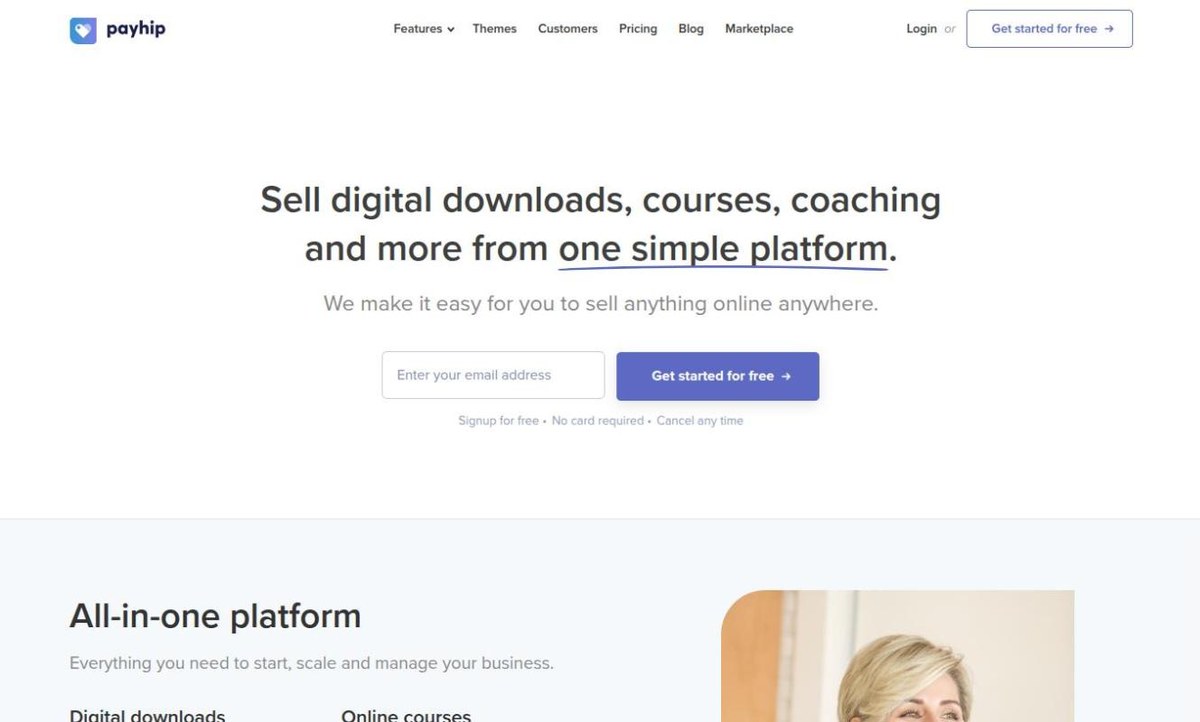
Payhip is an all-in-one store builder for digital downloads, online courses, coaching, memberships and even physical products. It also handles EU and UK VAT for digital goods.
Why it stands out:
- A complete storefront with your own branding and custom domain
- Built-in email marketing, coupons, affiliate program and upsells
- Free plan to start, with paid plans that lower or remove the transaction fee
Best for: course creators, writers and designers who used Lemon Squeezy mainly as a storefront rather than a SaaS billing engine.
8. Freemius – Made for WordPress Plugins and Themes
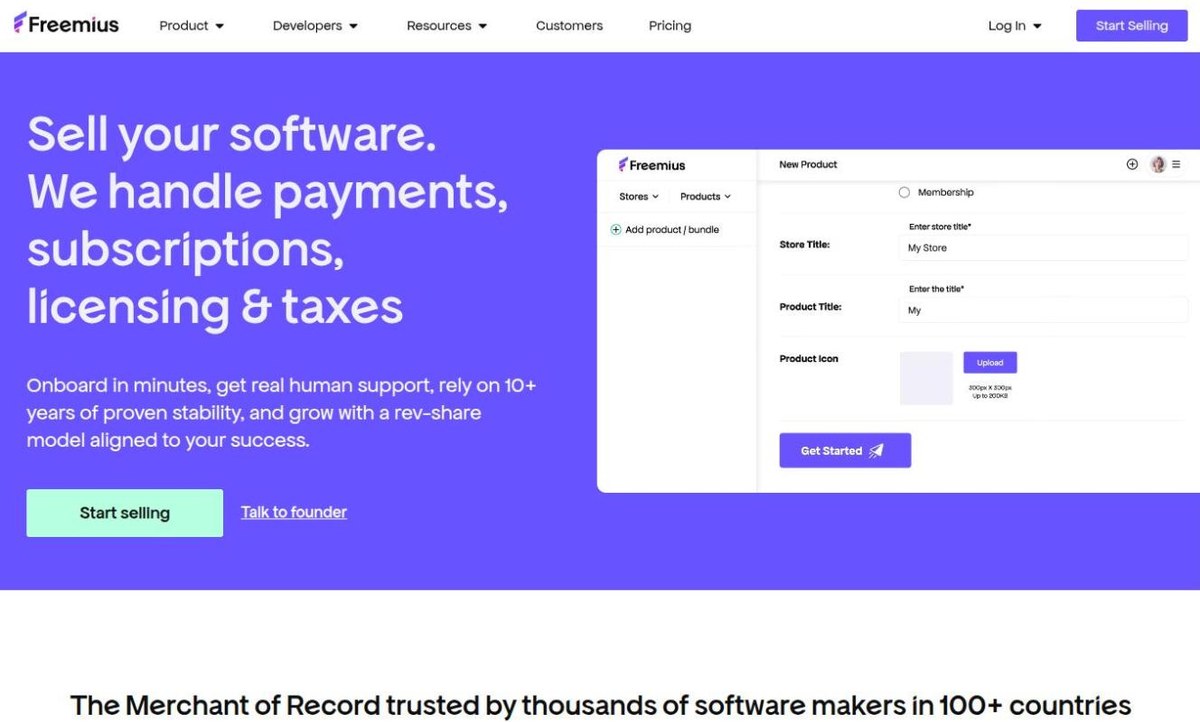
If you sell WordPress products, Freemius is purpose-built for you. It’s a merchant of record with an SDK that plugs directly into your plugin or theme.
Why it stands out:
- Licensing, automatic updates for paid versions and in-dashboard checkout
- Free trials, upgrade prompts and usage analytics for your plugin
- Affiliate management and sales tax handling
- Also supports SaaS and other software outside WordPress
Pricing: a revenue share on each sale, with no monthly fee. Check Freemius’s site for the current rate.
Best for: WordPress plugin and theme developers who want licensing and updates handled in one place.
What About Stripe Managed Payments?
Stripe Managed Payments is the official path Lemon Squeezy recommends, and migration tooling arrives on December 2, 2026. It runs on Stripe’s infrastructure, offers local currency pricing in 150+ countries, and lets you choose per transaction whether to use the merchant of record model.
It makes sense if your business is in a supported country and you mainly sell SaaS subscriptions. It’s a weaker fit if you depend on a hosted storefront, file delivery or license keys, or if you’re based in a country Managed Payments doesn’t cover. For founders outside Stripe’s supported countries, Lemon Squeezy suggests setting up a US company through Stripe Atlas, but for many solo makers, switching to one of the alternatives above is simpler.
How to Choose the Right Alternative
- Lowest fees for a small SaaS: Creem, or Polar on a paid plan once you pass its break-even point
- Closest feature match to Lemon Squeezy: Dodo Payments (storefront, license keys, file delivery)
- Developer tools and open source: Polar
- Long track record and stability: Paddle or FastSpring
- Creators who want no code at all: Gumroad or Payhip
- WordPress products: Freemius
Before you commit, calculate your real cost with your own numbers. A platform with a lower base rate can end up more expensive once you add international card fees, subscription surcharges, payout fees and currency conversion. Most of your customers are probably outside your home country, so the international surcharge matters a lot.
Your Lemon Squeezy Migration Checklist
- Export your data now. Use Lemon Squeezy’s export guide to download customers, orders and subscriptions. Don’t wait until March.
- Plan your subscription migration. Moving active card subscriptions requires transferring payment data between providers. Lemon Squeezy offers a migration intake form for this. Ask your new provider whether it supports importing subscriptions from Lemon Squeezy.
- Map your features. List everything you use: license keys, file delivery, affiliates, discount codes, webhooks, customer portal. Confirm your new provider covers each one.
- Rebuild checkout and webhooks. Update checkout links, pricing pages, in-app upgrade buttons and any code that listens for Lemon Squeezy webhooks.
- Handle license keys. If existing customers activate with Lemon Squeezy license keys, plan how to validate or reissue them after the switch.
- Tell your customers. Email subscribers before their billing moves. Explain that the merchant name on their card statement will change and that they may need to update their payment details.
- Run both in parallel. Send new customers to the new provider first, then migrate existing subscribers in batches well before March 31, 2027.
Final Thoughts
Losing a payment provider is never fun, especially when your MRR depends on it. But Lemon Squeezy has given sellers a reasonable runway, and the alternatives today are better and cheaper than what existed when many of us first signed up.
If you’re building in public, this is also a good moment to share your migration journey. Your audience is likely facing the same decision, and a transparent “here’s what I picked and why” post could help a lot of fellow founders.
Start comparing this week, test a checkout on your top two choices, and give yourself plenty of buffer before the March 31, 2027 deadline.